
COMMUNITY AWARENESS
UV Index Initiative
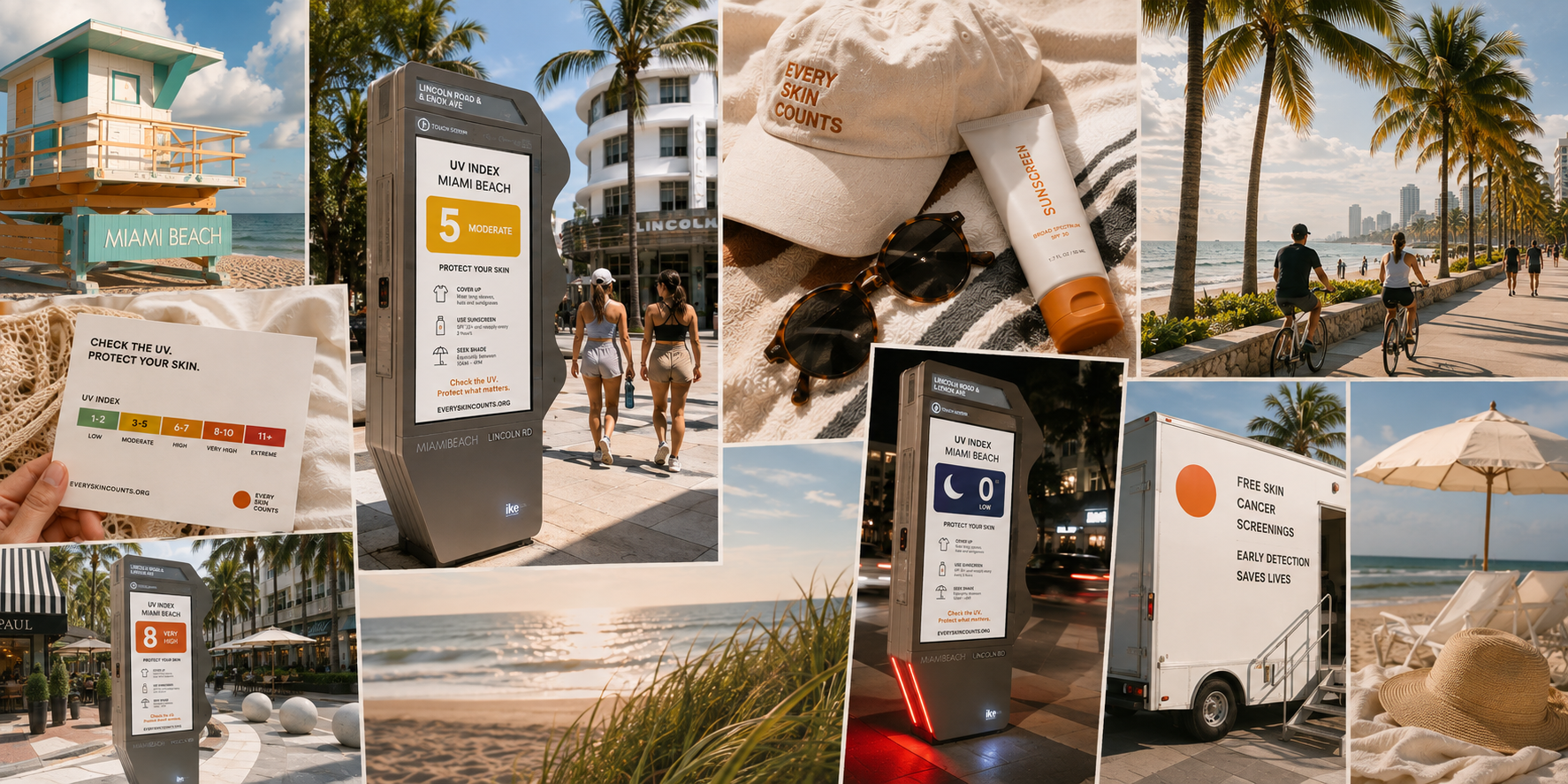
South Florida experiences some of the highest UV levels in the world. Yet while the UV Index is free and forecast daily, it's rarely displayed where people actually make sun safety decisions. We're bringing the UV Index into everyday spaces and empowering communities with the knowledge to protect their skin.
Making the UV Index Visible
We are working to bring the UV Index into the places people already look for daily outdoor information. We're advocating for the UV Index to be displayed on Lincoln Road and integrated into the City of Miami Beach's Current Beach Conditions webpage alongside weather, surf, tide, and water conditions. The city's beach conditions page already provides real-time safety information for residents and visitors, making it a natural place to include UV risk.
By making the UV Index visible, we can help thousands of people make informed decisions before they head outside. A simple number can remind someone to apply sunscreen, wear a hat, seek shade, or protect their family—small actions that can prevent sun damage and reduce the risk of skin cancer. Our goal is simple: make the UV Index as familiar and accessible as the daily weather forecast.
MIAMI BEACH
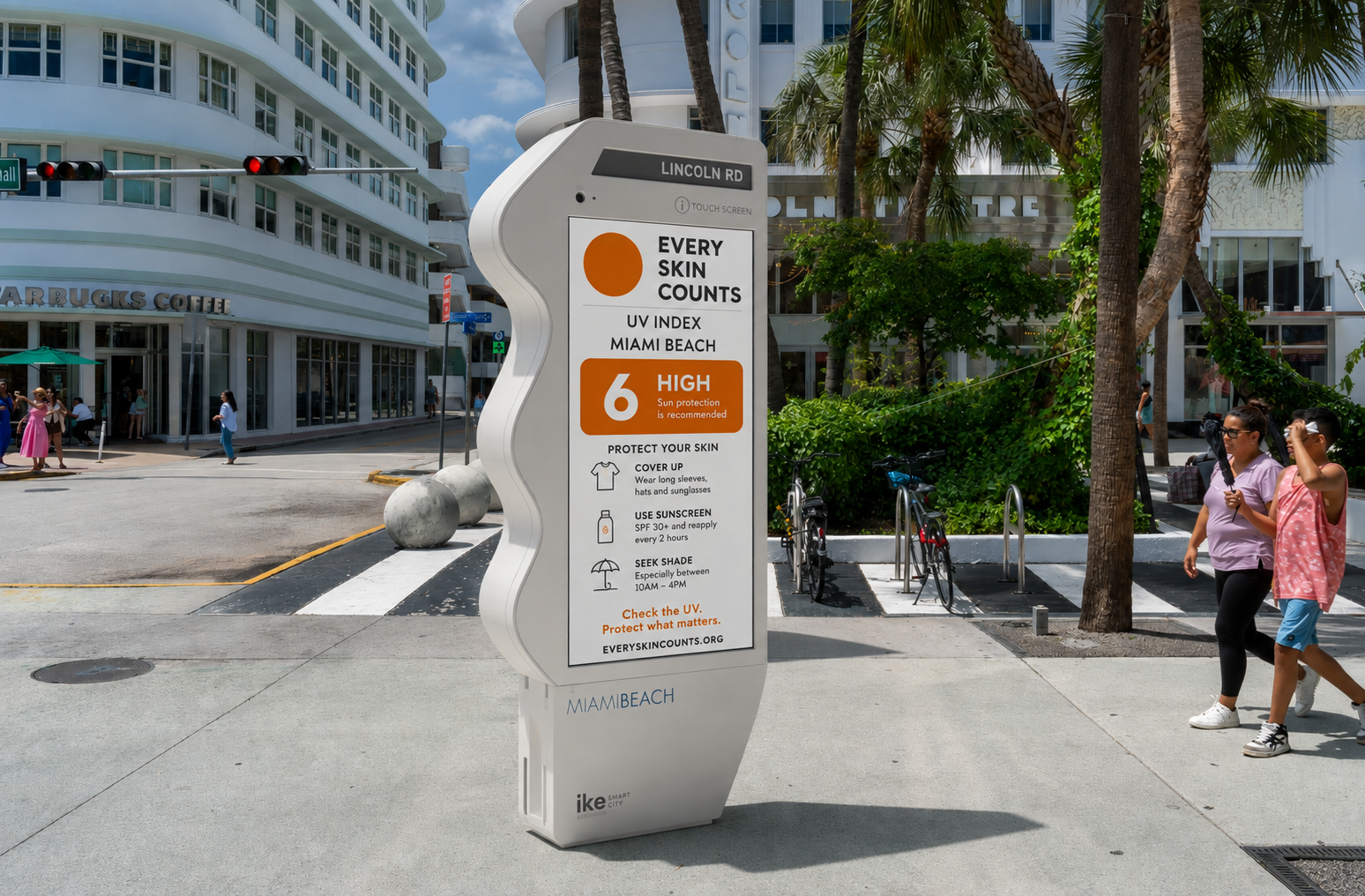
Lincoln Road UV Display
Every Skin Counts is currently advocating for a real-time UV Index display on Lincoln Road IKE Smart City Kiosks, giving residents and visitors a simple reminder to protect their skin while enjoying one of Miami Beach's busiest pedestrian destinations.
Stay Tuned for Updates!
MIAMI BEACH
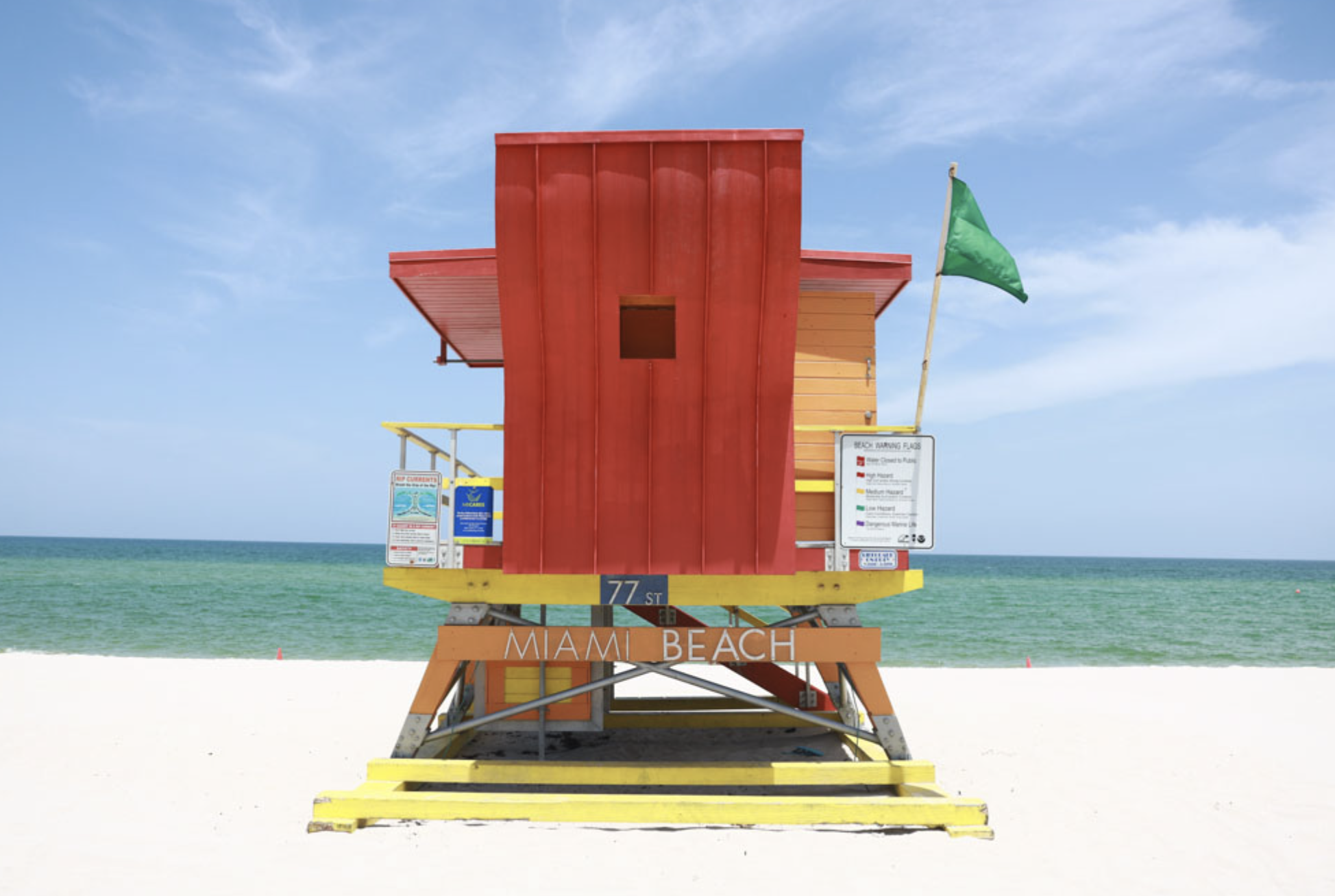
Beach Conditions
We are advocating for the the City of Miami Beach to integrate the daily UV Index into the Current Beach Conditions webpage, ensuring UV risk is displayed alongside weather, surf, and water conditions so sun safety becomes part of every beach visit.
Stay Tuned for Updates!
UV Index
-
The UV Index is a daily forecast that measures the strength of the sun's ultraviolet (UV) radiation on a scale from 0 to 11+. The higher the number, the greater your risk of skin damage and the faster unprotected skin can burn.
-
Whenever the UV Index is 3 or higher, sun protection is recommended. Wear sunscreen, seek shade, wear protective clothing, and sunglasses—even if it doesn't feel hot outside.
-
Use a broad-spectrum SPF 30 or higher every day when the UV Index is 3 or above. Reapply every two hours, or immediately after swimming or heavy sweating.
Know Your Level
-

0–2 Low
You can safely enjoy being outside. Wear sunglasses on bright days. If you burn easily, cover up and use sunscreen SPF 15+. In winter, reflection off snow can nearly double UV strength.
-

3–5 Moderate
Take precautions if you will be outside, such as wearing a hat and sunglasses and using sunscreen SPF 15+. Reduce your exposure to the sun's most intense UV radiation by seeking shade during midday hours.
-

6–7 High
Protection against sun damage is needed. Wear a wide-brimmed hat and sunglasses, use sunscreen SPF 15+ and wear a long-sleeved shirt and pants when practical. Reduce your exposure to the sun's most intense UV radiation by seeking shade during midday hours.
-

8–10 Very high
Protection against sun damage is needed. If you need to be outside during midday hours between 10 a.m. and 4 p.m., take steps to reduce sun exposure. A shirt, hat and sunscreen are a must, and be sure you seek shade.
Beachgoers should know that white sand and other bright surfaces reflect UV and can double UV exposure. -

11+ Extreme
Protection against sun damage is needed. If you need to be outside during midday hours between 10 a.m. and 4 p.m., take steps to reduce sun exposure. A shirt, hat and sunscreen are a must, and be sure you seek shade.
Beachgoers should know that white sand and other bright surfaces reflect UV and can double UV exposure.
Regardless of the UV Index, the following sun safety measures are always encouraged:
Do Not Burn.
Avoid Sun Tanning and Tanning Beds.
Generously Apply Sunscreen to all exposed skin using a Sun Protection Factor (SPF) of at least 15 that provides broad-spectrum protection from both ultraviolet A (UVA) and ultraviolet B (UVB) rays. Re-apply every two hours, even on cloudy days, and after swimming or sweating.
Wear Protective Clothing, such as a long-sleeved shirt, pants, a wide-brimmed hat and sunglasses, where possible.
Seek Shade when appropriate, remembering that the sun's UV rays are strongest between 10 a.m. and 4 p.m.
Use Extra Caution Near Water, Snow and Sand as they reflect the damaging rays of the sun which can increase your chance of sunburn.
Watch for the UV Index.
Get Vitamin D Safely through a diet that includes vitamin supplements. Don't seek the sun.
Early detection of melanoma can save your life. Carefully examine ALL of your skin once a month. A new or changing mole should be evaluated by a dermatologist.
Check UV Near Me
The UV Index is predicted by the National Weather Service each day for the following day.
The EPA Publishes realtime UV data based on your Zip Code, City and State, or based on current browser location.